Time Is Money
(2023 – ongoing)
description:
What is thought to be one of the first photographic depictions of a human can be found in an 1838 image by Louis Daguerre of the Boulevard du Temple in Paris. Because early photo emulsions and surfaces were not as light-sensitive as modern cameras and called for long exposure times, the bustling cityscape at first appears virtually peopleless. But there, in the left-hand corner of the frame, is the silhouette of a man getting his shoes shined, his image made crisp by virtue of his stationary position. Just below him is the outline of the shoe shiner, whose movements as he goes about his work render his figure fainter, less visible. In this way, what appears to be the first photograph of a man is also the first photographic depiction of class relations, wherein the degree of social visibility afforded to each individual is made literal on the copper plate.
With this early daguerreotype in mind, I traveled across New York City and asked people of different professions how long it takes them to earn one dollar. I then used their responses to determine how long to expose their portraits. As in Louis Daguerre’s image, the results make visually explicit the class delineations between individuals of different occupational statuses, and query how much money someone must earn to become visible.

House Cleaner, 120 Seconds

Sex Worker, 3.6 Seconds

Resident Doctor, 95 Seconds

City Council Woman, 100 Seconds

Land Conservation Specialist, 0.6 Seconds

Butcher, 144 Seconds

Doorman, 60 Seconds

Union Organizer, 64 Seconds

Dry Cleaner, 60 Seconds
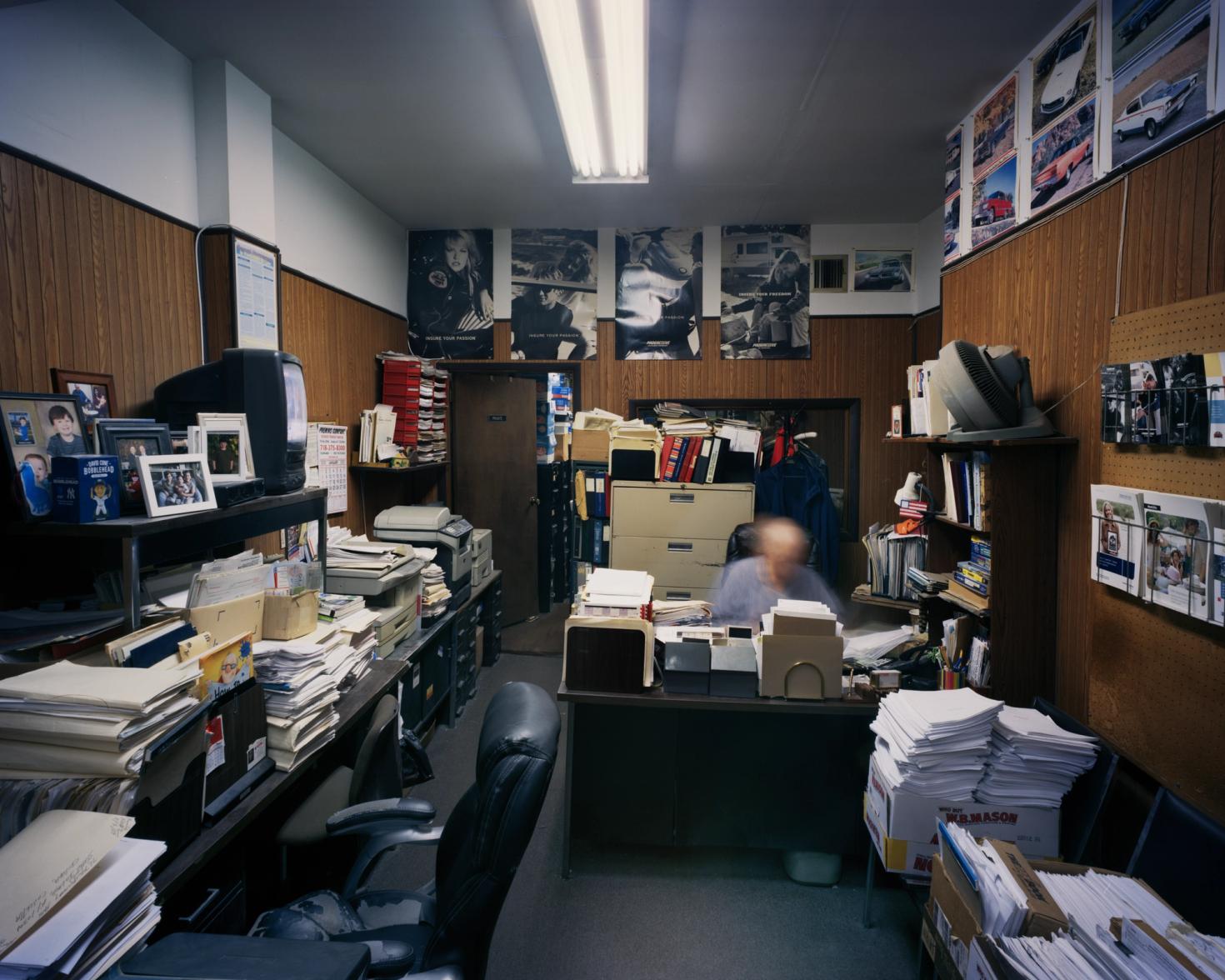
Notary Public, 244 Seconds

Priest, 60 Seconds
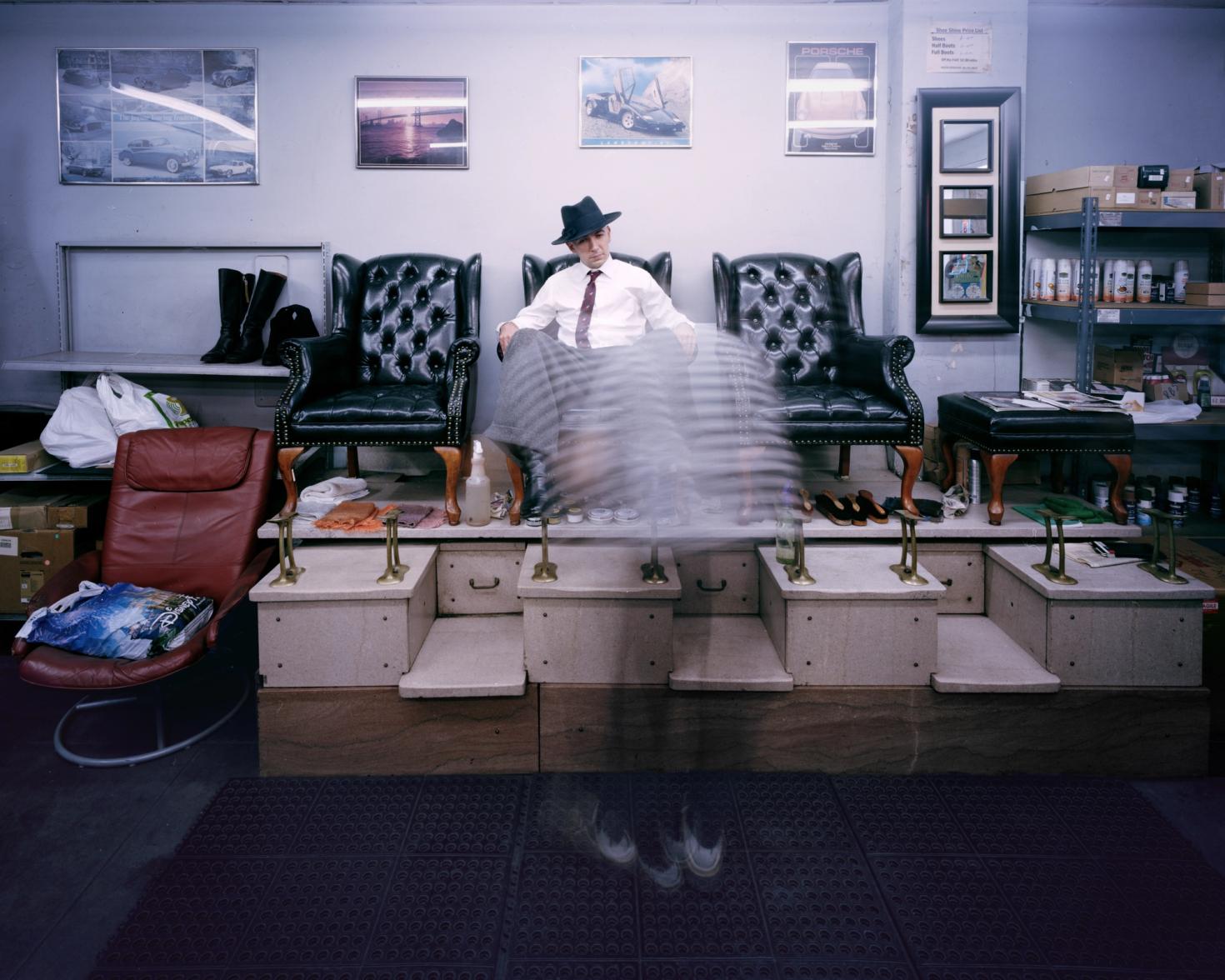
Shoe Shiner, 60 Seconds